20 to 30 January 2025
Erasmus Blended Intensive Program of 8 physichal classes and 2 on-line sessions based in Antoni Gaudí Llotja alumni and upcycling technique.
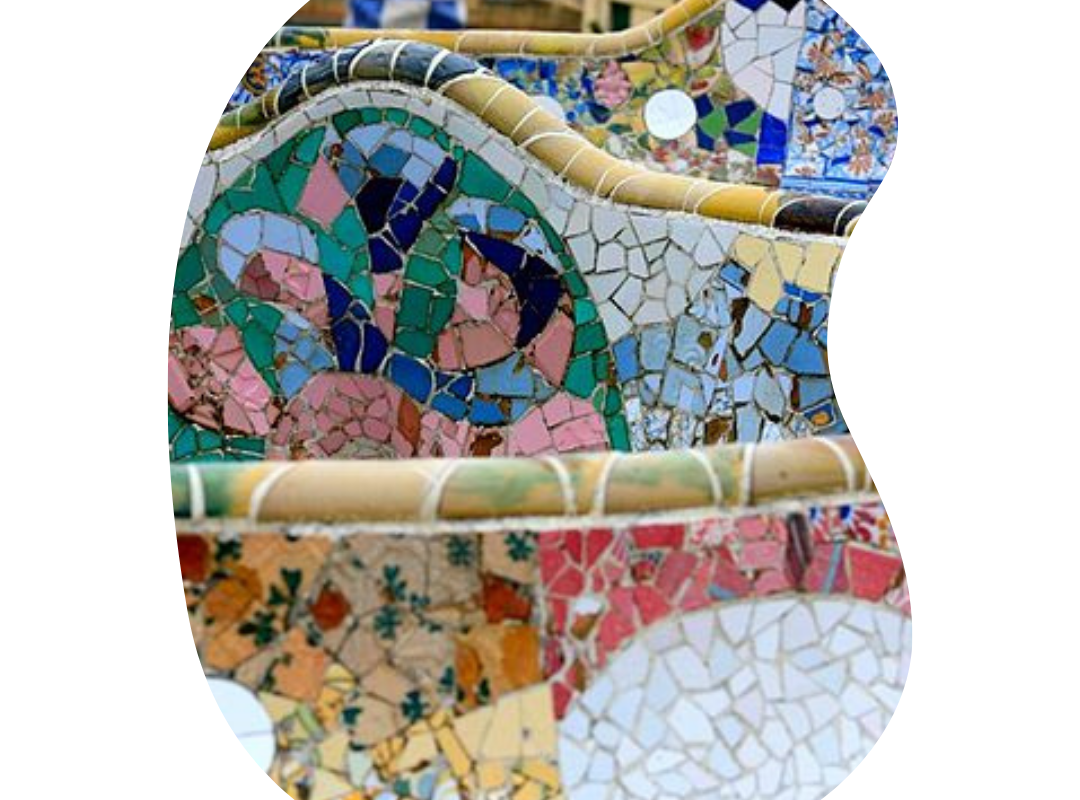
Antoni Gaudí work is inspired on nature and sustainability. For this reason he worked with reused ceramics using the «trencadís» technique, in which non uniform pieces of broken chinaware are used to create mosaics. We will apply this idea to the recycling of clothes, working with the students on the upcycling technique.
All the materials used are second-hand or reused.
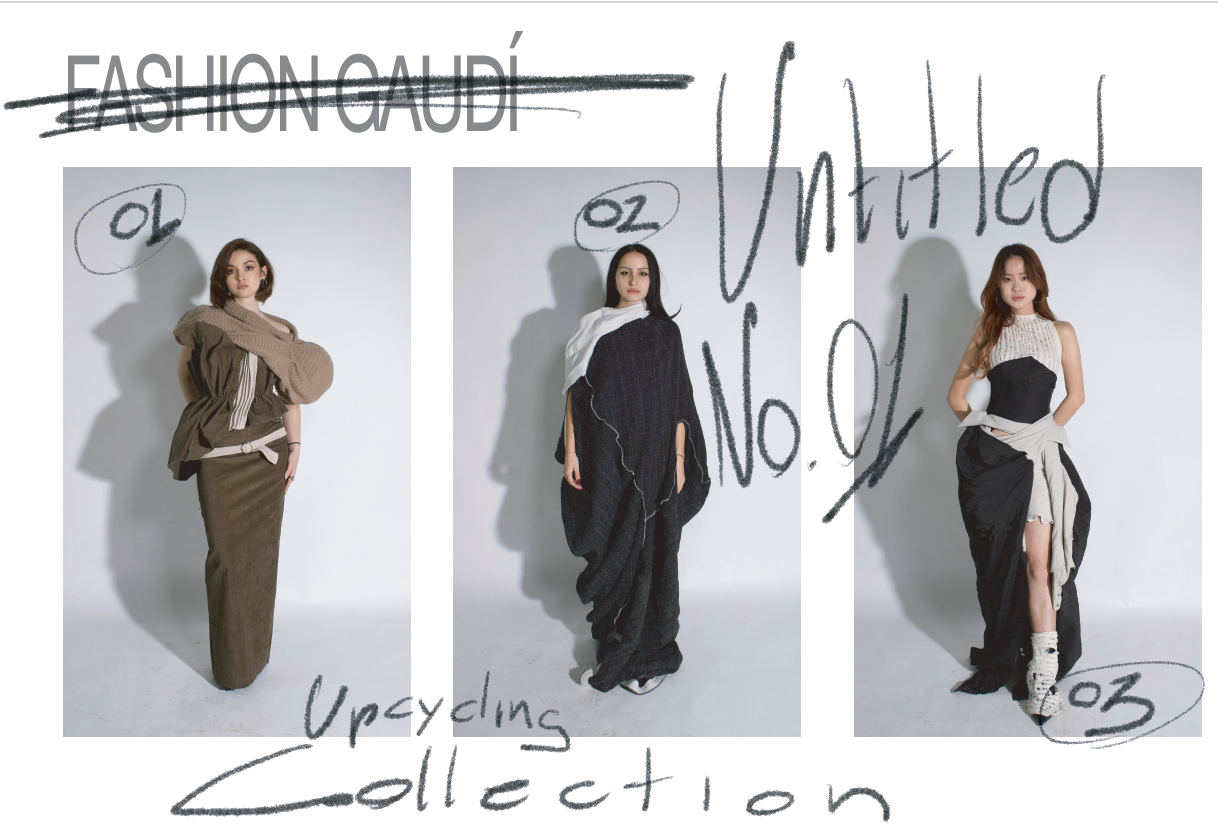
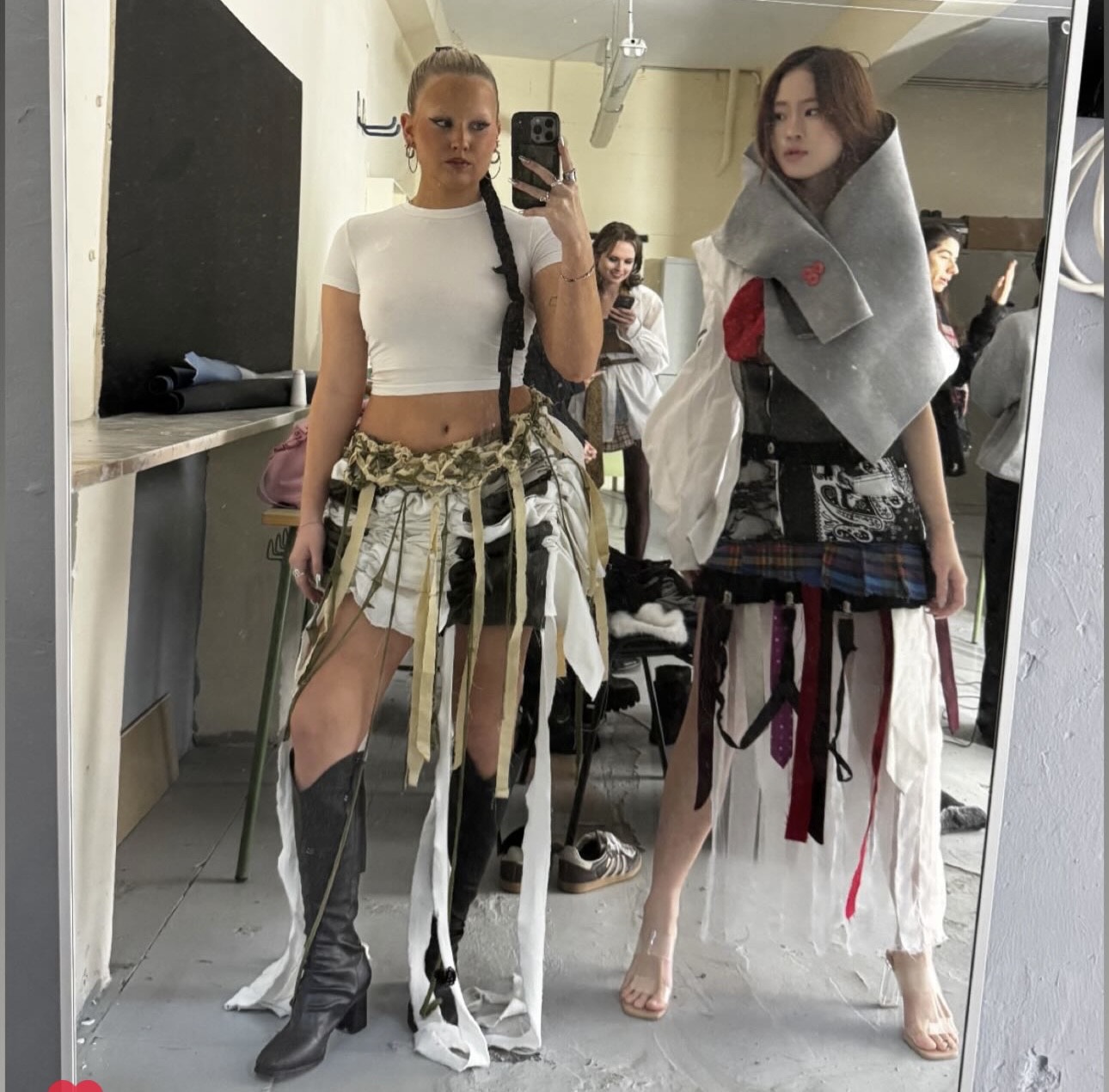
The students, organized in mixed interdisciplinary groups, will design and create two innovative pieces of reused clothing from Solidança project. They will have the support of upcycling fashion designer Tania Marcial and different tutors for projection and conceptualization, as well as two modeling and styling tutors
This project, that will finish in a fashion exhibition, aims to explore how Gaudí’s sustainable approach to art and design can be applied to fashion.
Participants: Escola Llotja (host), NABA Milan and ESAD Porto
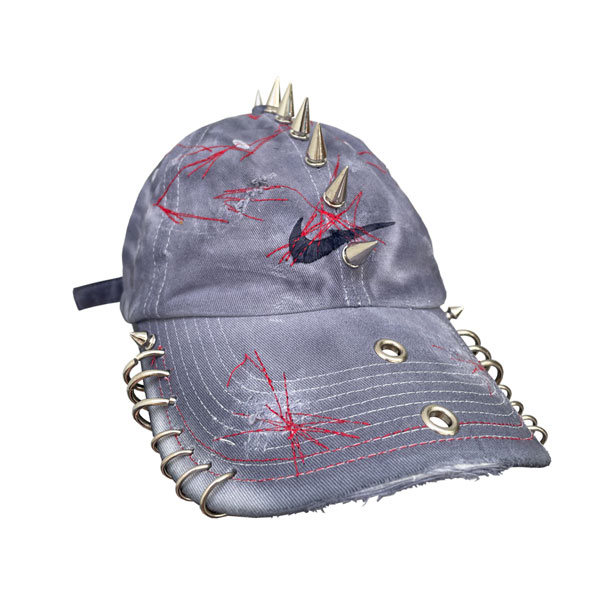
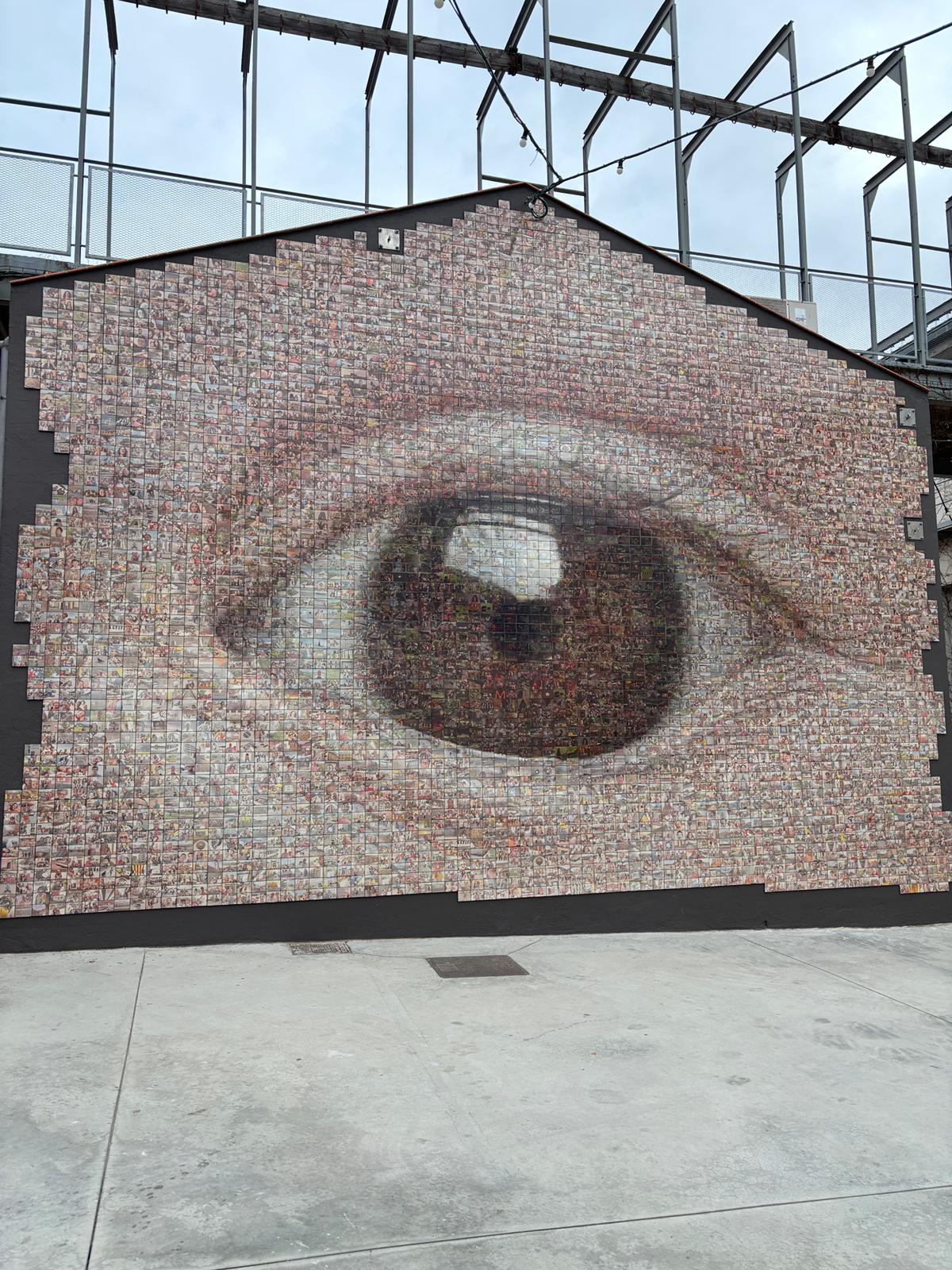
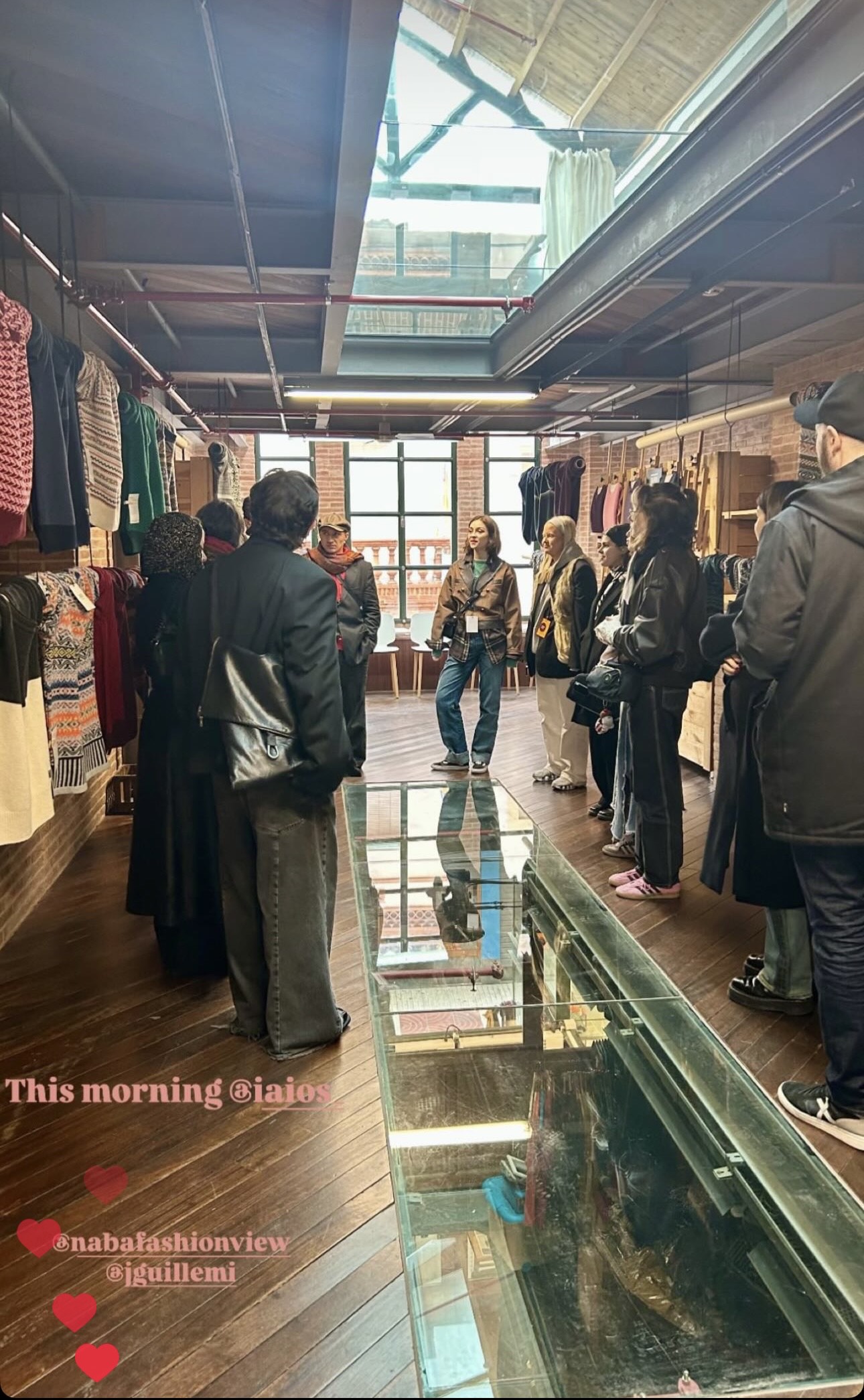
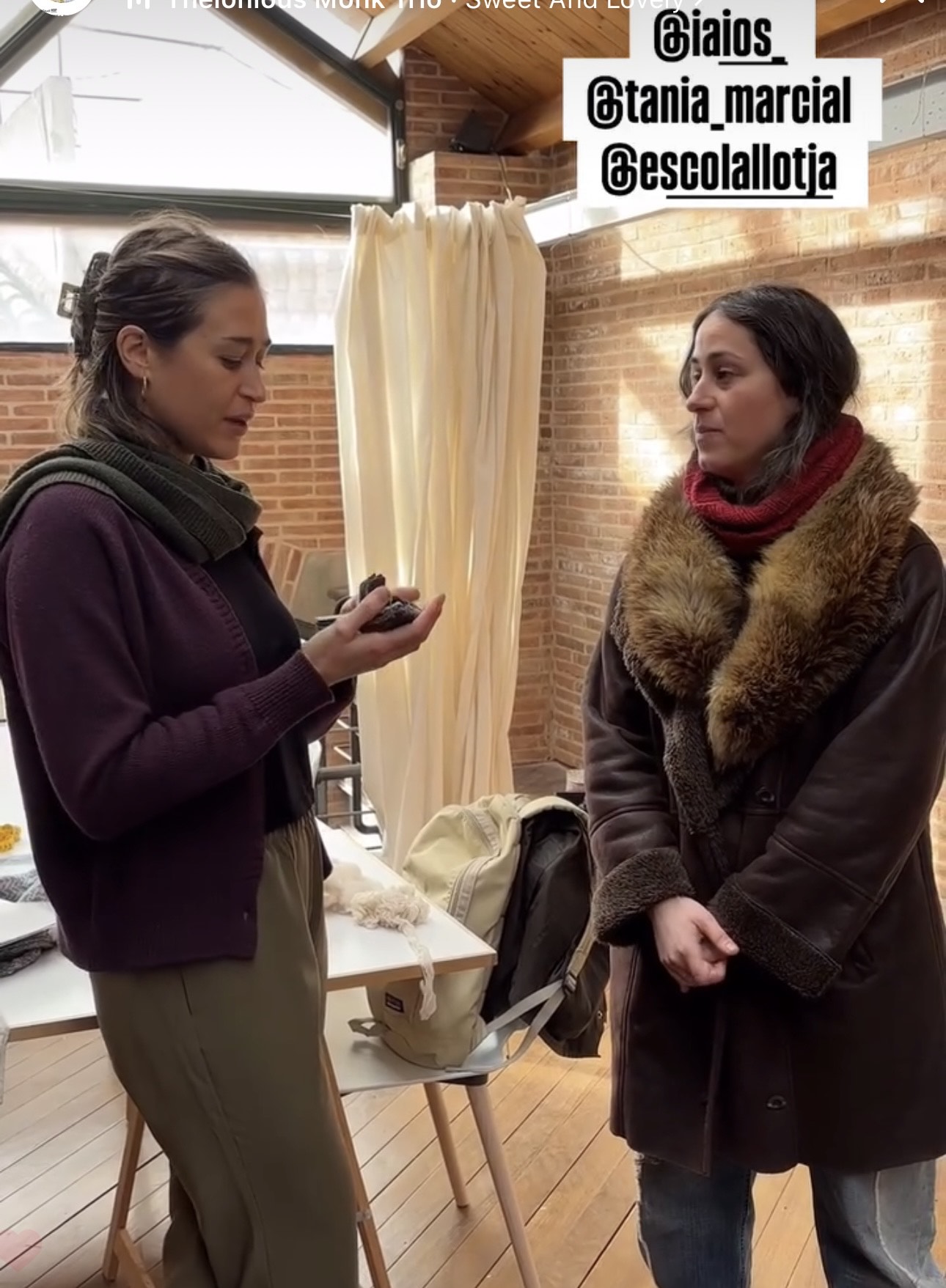
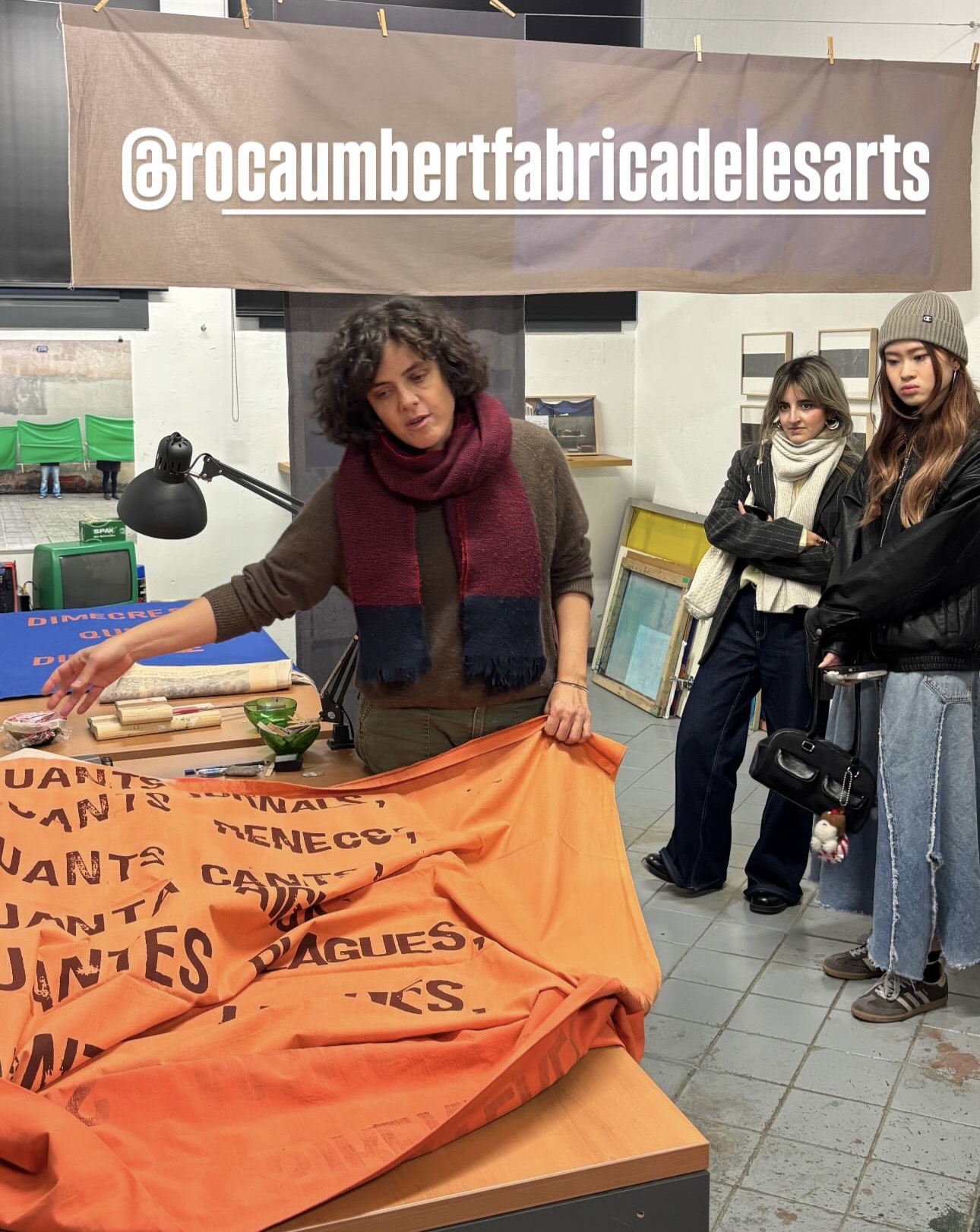
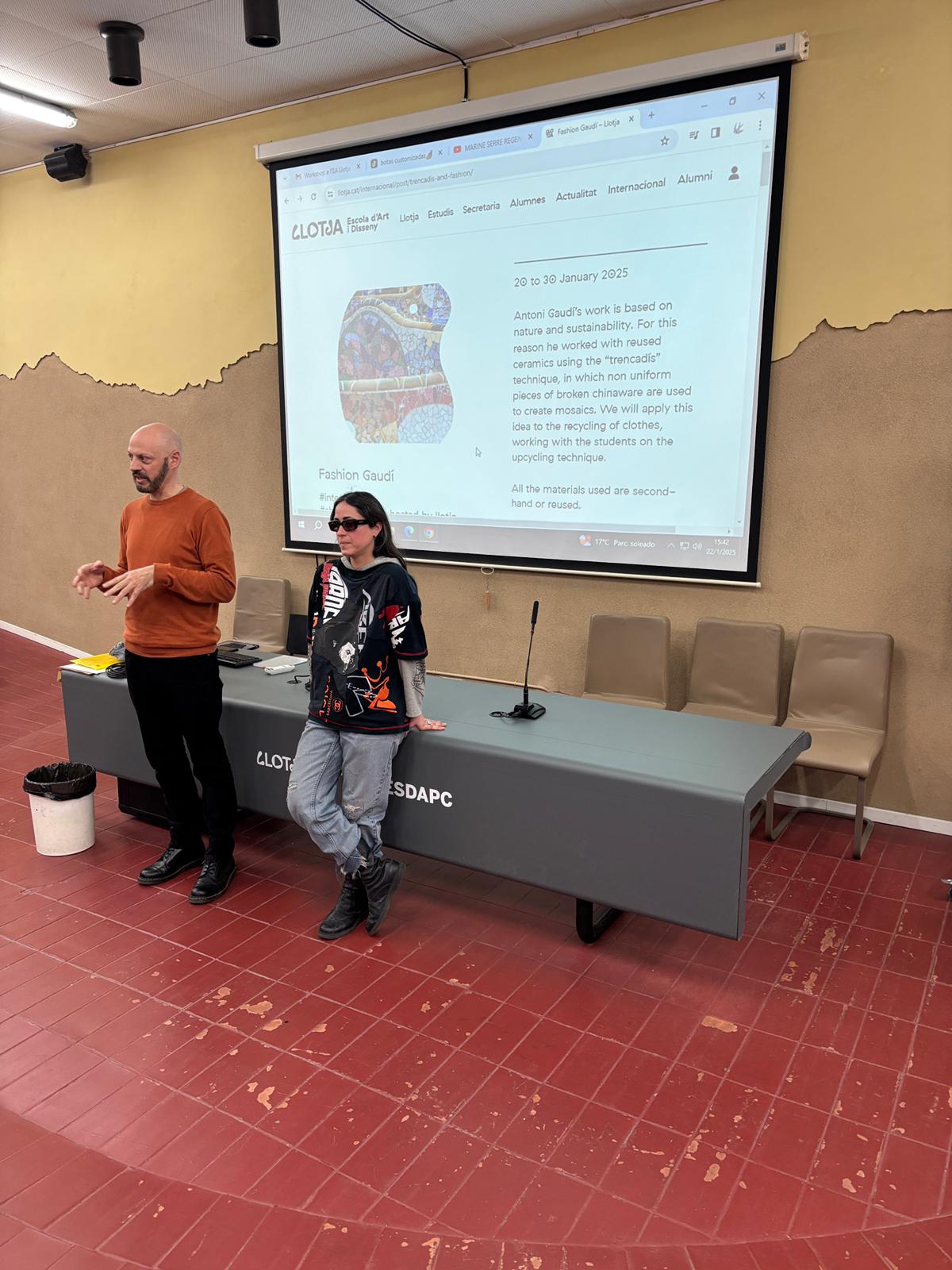
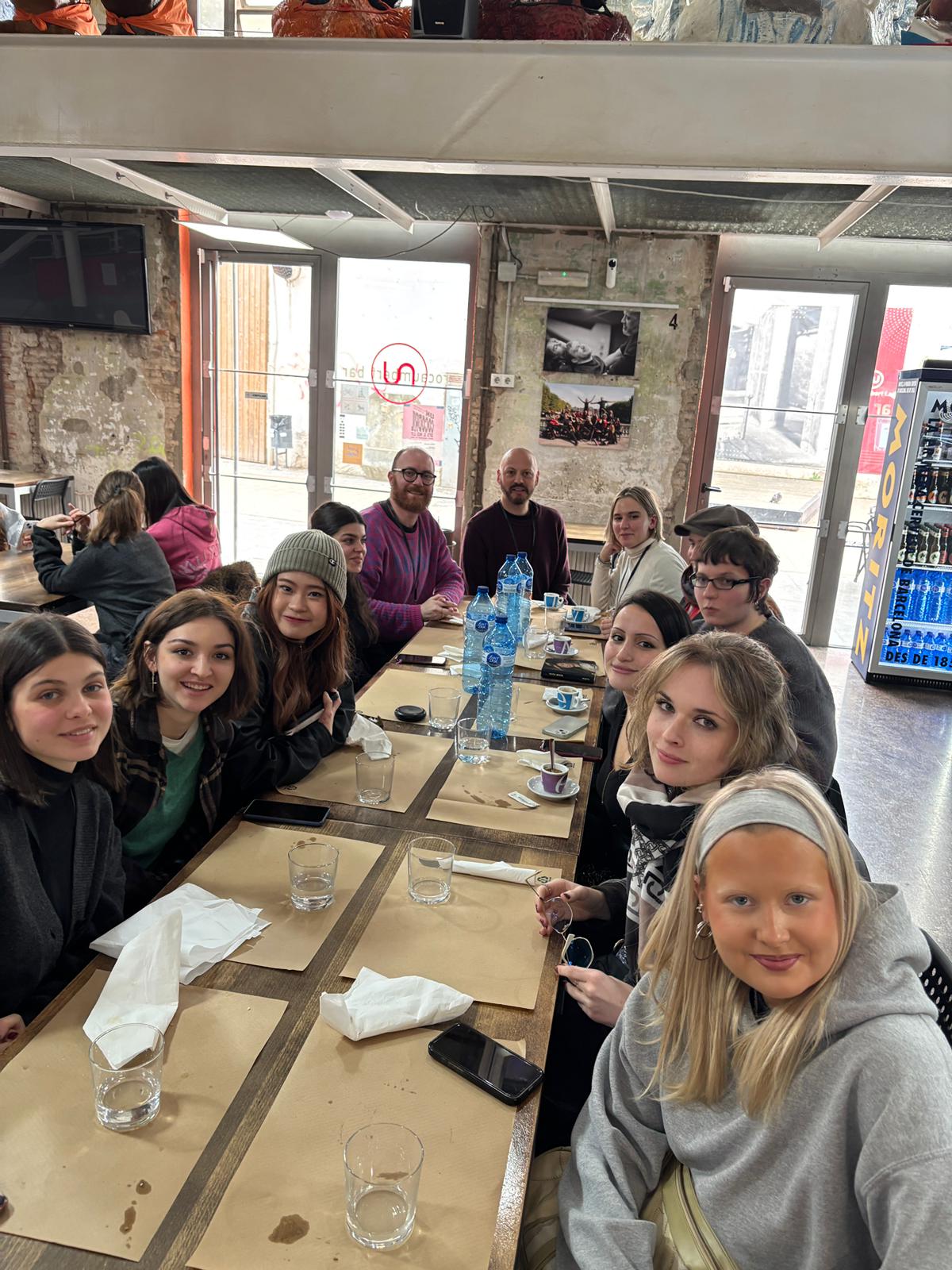
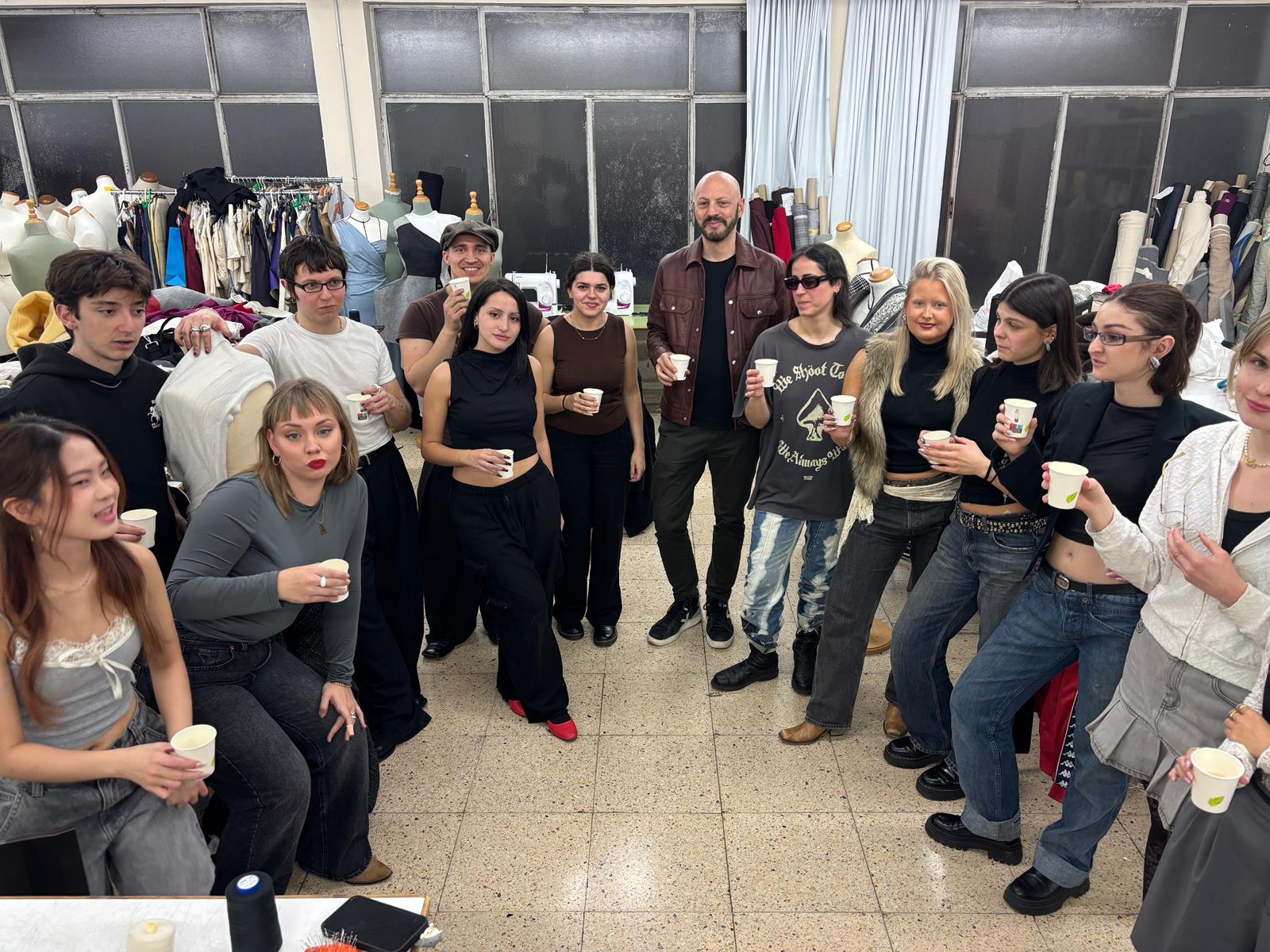
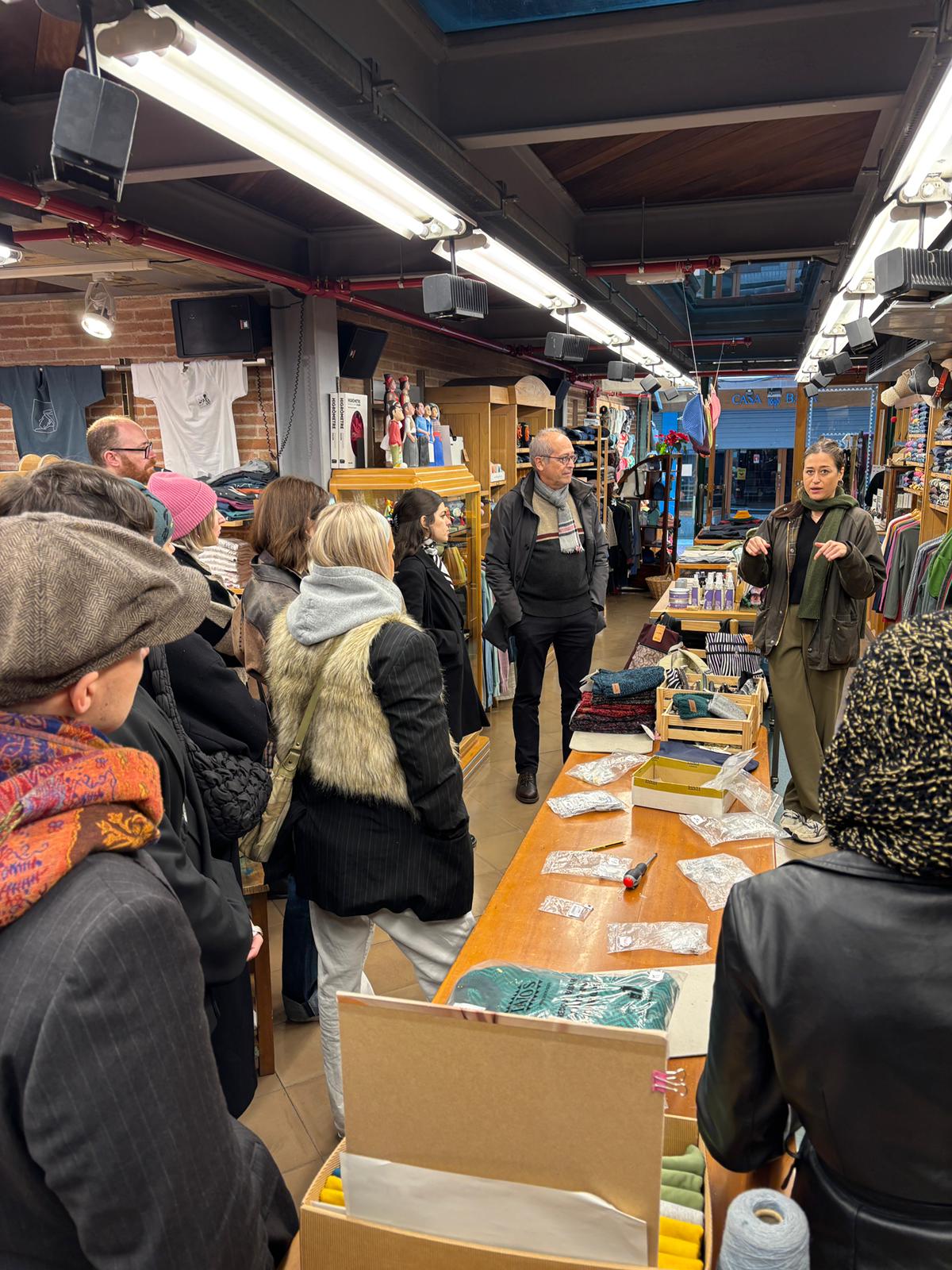
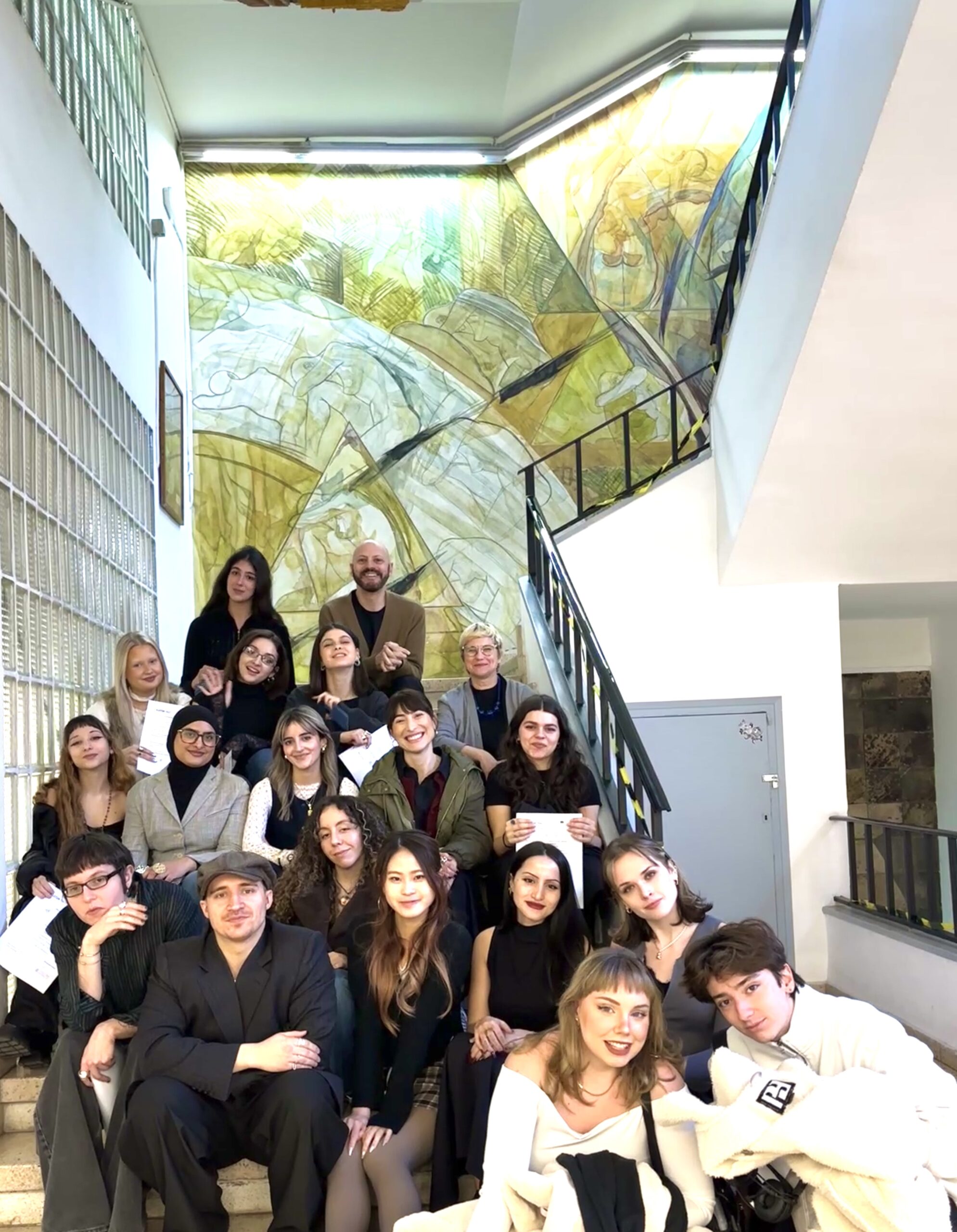
- Physical start date: 20/01/2025
- Physical end date: 30/01/2025
- 8 days of physical classes
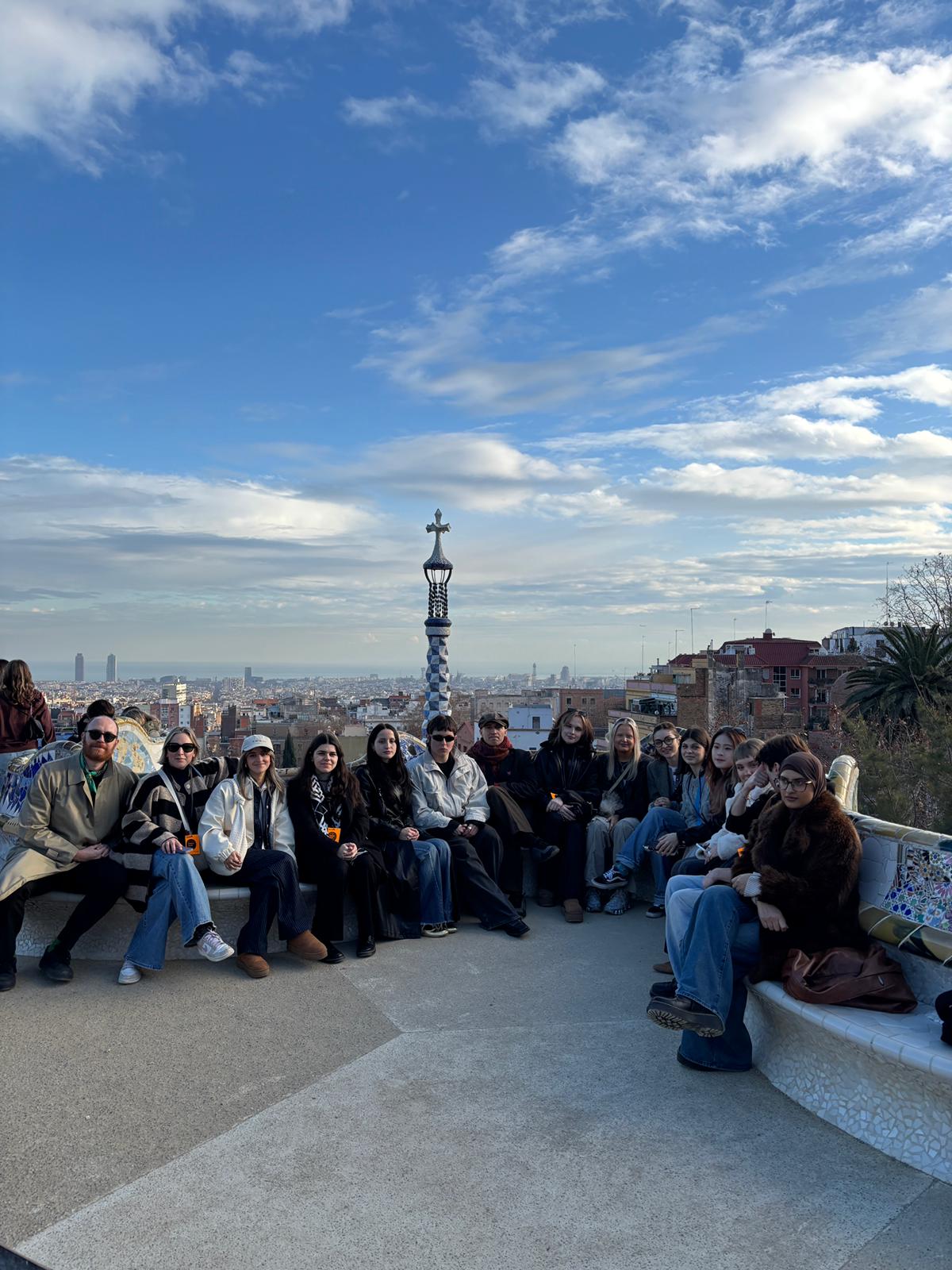
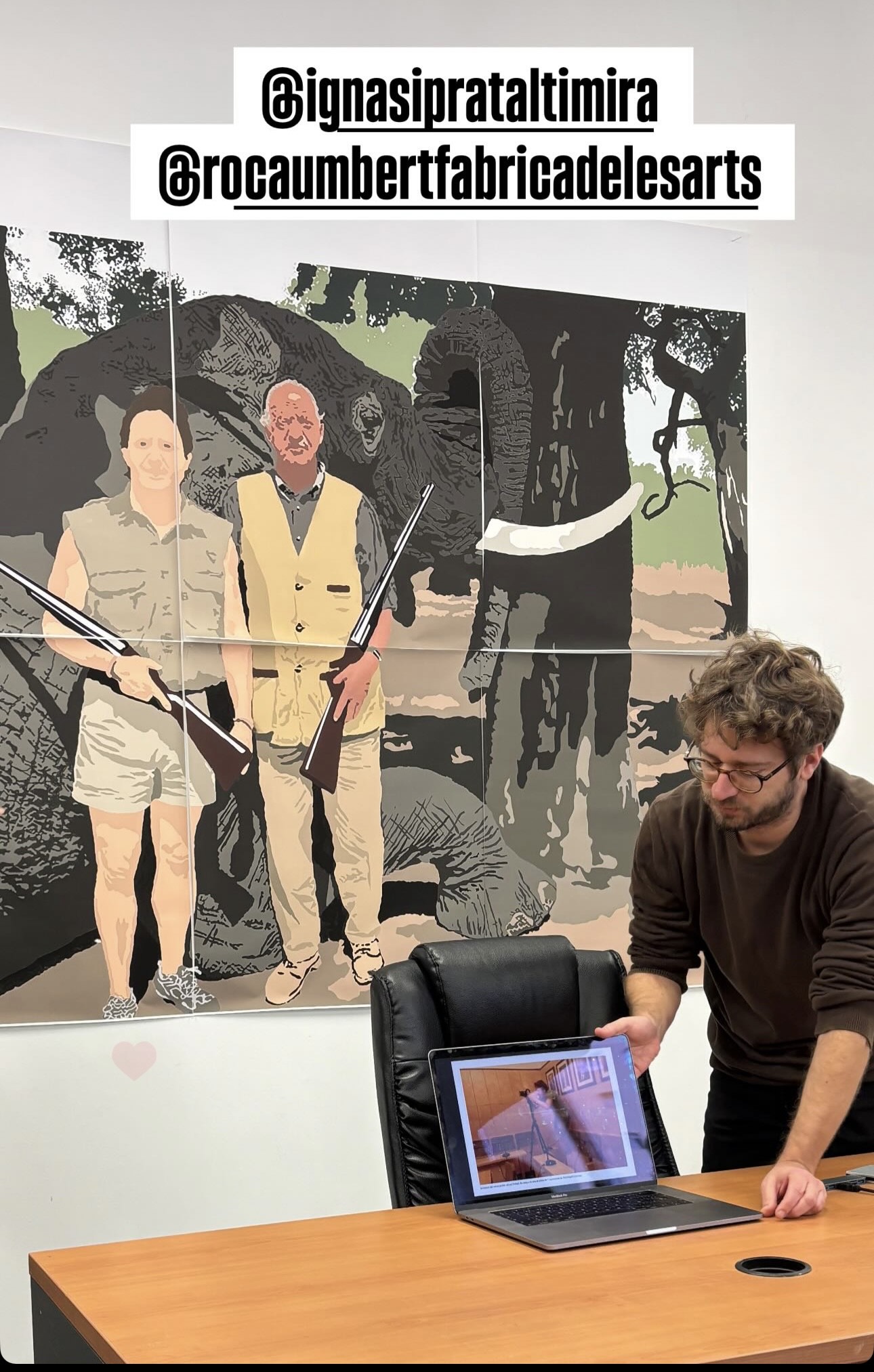
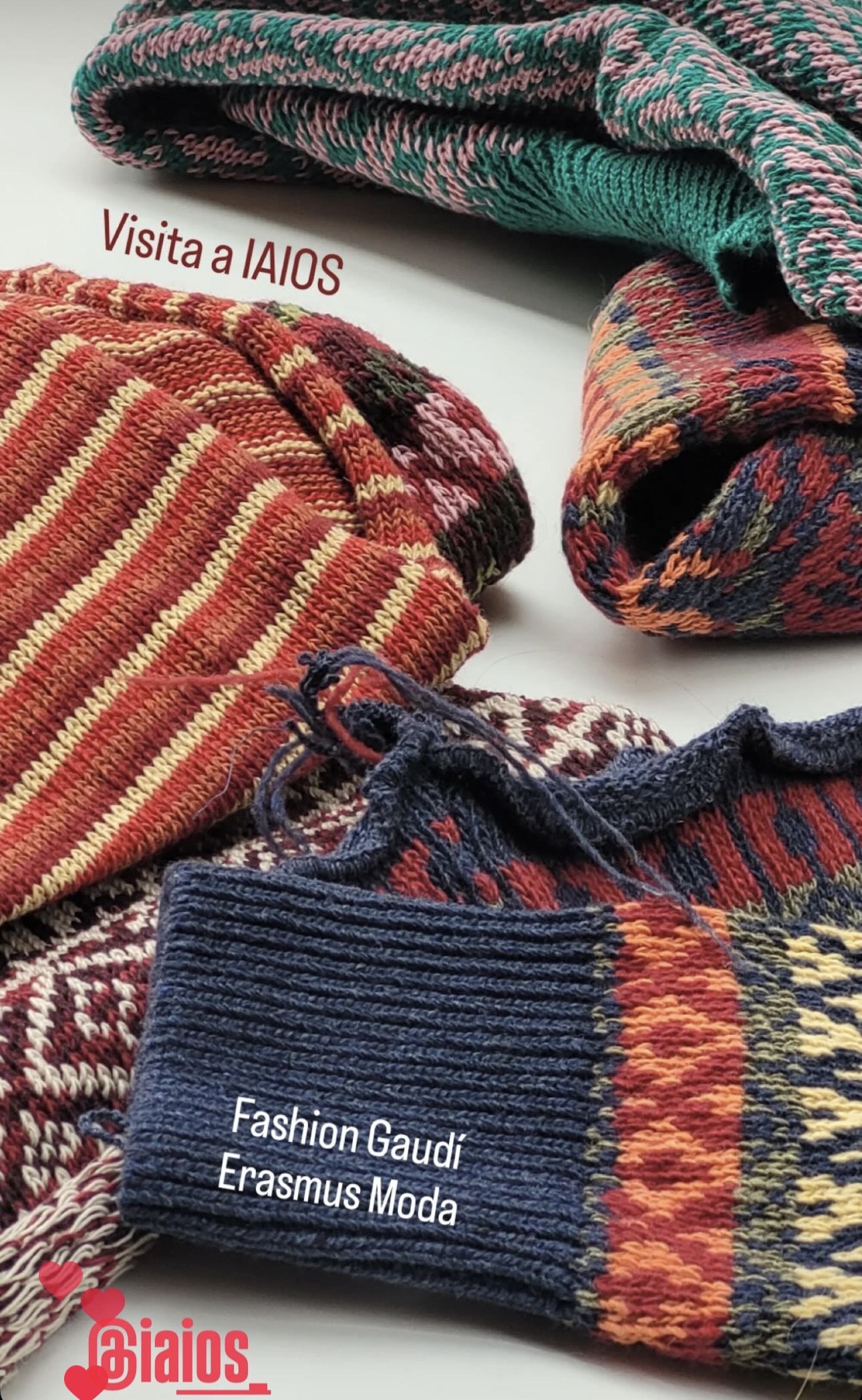
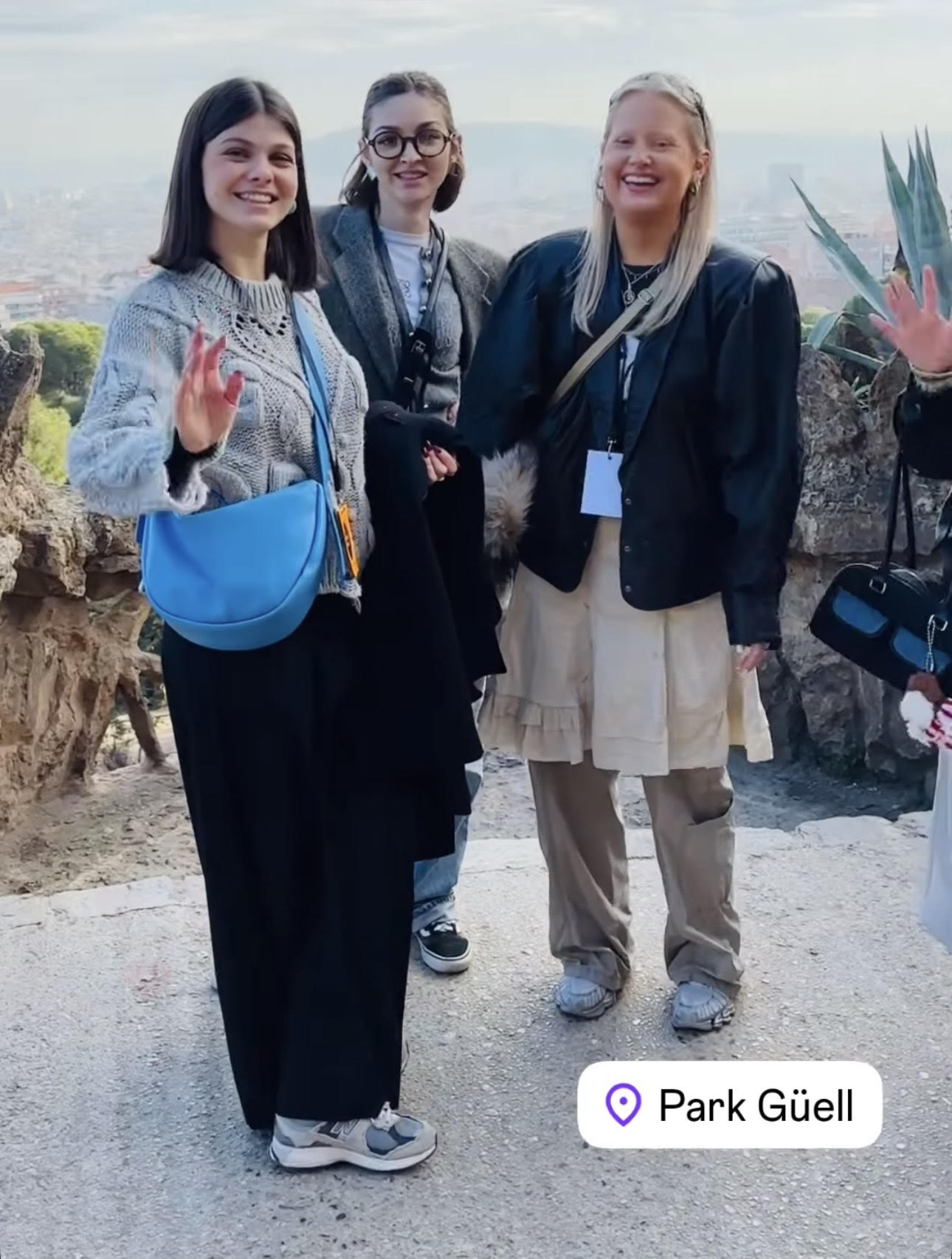
- Visit to Park Güell, Iaios show-room and Roca Umbert Factory
- workshop with Tania Marcial
- Virtual component: /02/2025
- Number of recognised credits: 3 ECTS
- Final exhibition and show
Supporting members:
Solidança, Iaios, Roca Umbert Factory, Park Güell
Academic manager: Jordi Guillemí, Mobility coordinator
Staff personal support 2024: Eva Sánchez, Michele Corradini, Giulia Reina, Anita Gonçalves, Joana Teodoro.
Program edition2024
–
Sunday 19/01/2025 Arrival
Monday 20/01/2025
15:30 p.m. Park Güell https://maps.app.goo.gl/PXN33Hx1N9oP8oEq8
17:00 Llotja Visit
Tuesday 21/01/2025
08.00 a.m. Meeting point – R2 Passeig de Gracia station https://maps.app.goo.gl/VeWiSYJYtTLsnDvK8
10: 00 a.m. Iaios show-room https://maps.app.goo.gl/hPkZyBbrdJi5CsFP9
12:00 p.m. Roca Umbert Factory
17.00 p.m. Solidança https://maps.app.goo.gl/9L83Gph8jp7ngNHn8
Wednesday 22/02/2025
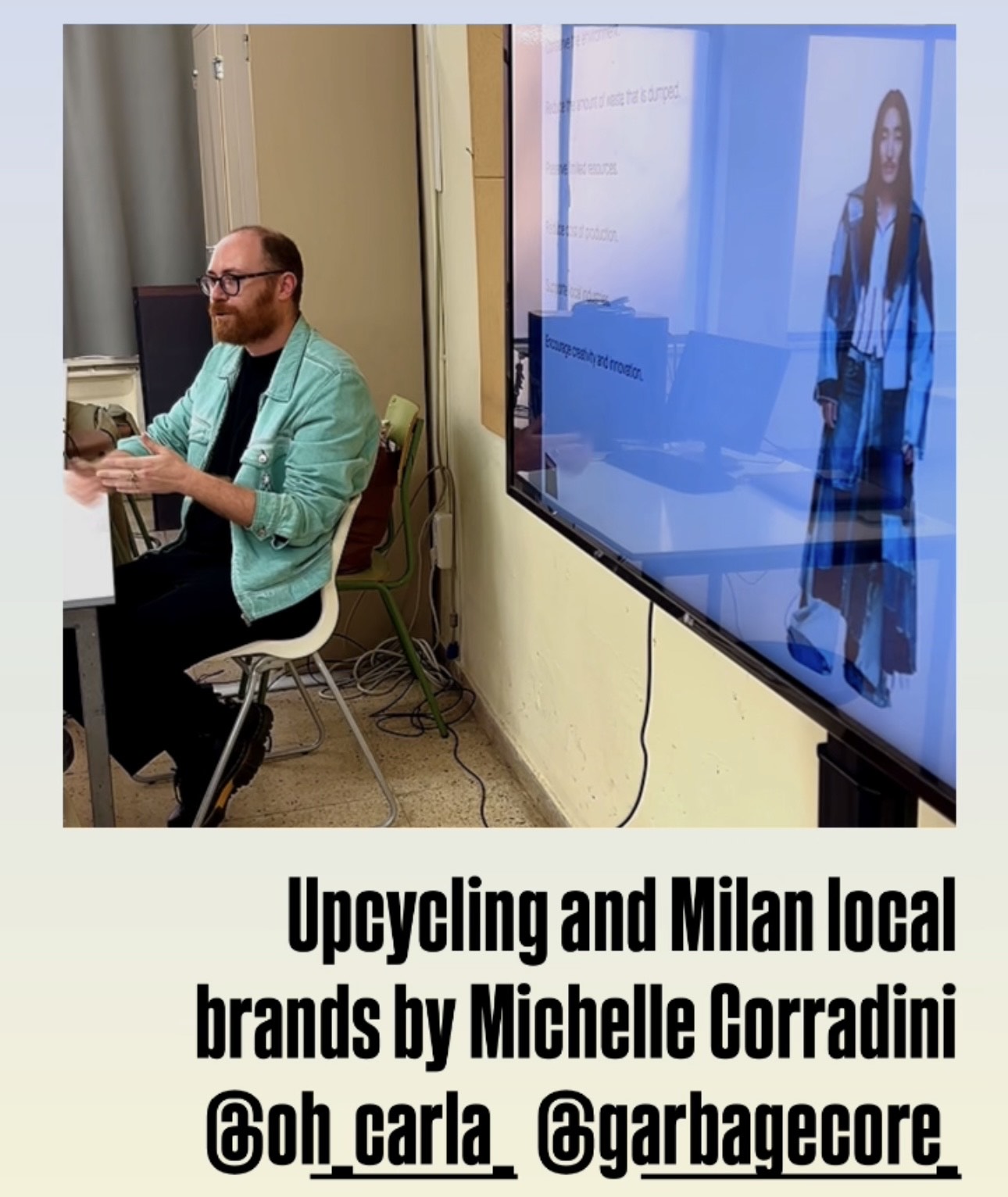
12.00 Lecture Pr. Michelle Corradini, Course Leader for the Bachelor of Arts in Fashion Design in NABA
15.30 – 19.30 p.m. Workshop Tania Marcial
Venue: c/ Ciutat de Balaguer 17 https://maps.app.goo.gl/vS7FAEH6oaBqkBWo7
Thursday 23
15.00 – 17.30 p.m. Workshop Tania Marcial
Friday 24
15.00 – 19.30 p.m. Workshop Tania Marcial
Week-end
For your own
Monday 27/01/2025
09.30 a.m. – 15.30 Workshop
Tuesday 28/01/2025
09.30 a.m – 12.30 Workshop
15.00 p.m. at the main entrance in Sant Andreu Campus (lecture + visit)
https://maps.app.goo.gl/8BXkA1Bc2qQsTWwx6
Wednesday 29/01/2025
09.30 a.m – 13.30 Set ang look-book
13.30 – 15.00 Tidy up the fashion workshop
13.30 p.m. – 19.00 Optional workshop and tidy up
Thursday 30/01/2025
10.00 Prepare the exhibition
10.45 Coffe break, 3r floor
11.15 Results in main entrance
Development
Upcycling Workshop with Tania Marcial Based on Llotja Antoni Gaudí Alumni
1 – Presentation by Tània Marcial, visually supported by a PDF that includes:
- A brief explanation of «Upcycling» and various methods for implementing it.
- A showcase of designers who have contributed to the history of Upcycling, such as “Margiela”, “Vivienne Westwood”, and “Miguel Adrover.”
- A presentation of independent designers or current brands using this technique, including “Bettter,” “Marine Serre,” and “Gypsy Sport.”
- An explanation of the workshop tasks:
-
- Form groups.
- Select a reference brand.
- Examine the recycled materials available.
- Begin trials, sketches, concept mood boards, and technical experiments.
- Start creating the final two looks (each consisting of 2-4 garments).
2 – Group formation based on the «Affinity Test» conducted between Monday and Tuesday.
3 – Once the groups are formed, each group must complete a small form indicating their chosen designer or brand, with the aim of researching and exploring the foundations that define the brand’s identity, including colors, fabrics, volumes, and the upcycling techniques that characterize it.
The brands from which they can choose are any of those mentioned in the PDF.
Subsequently, they will approach the bags of available fabric to analyze which textile residues are most suitable for creating their look.
With this initial encounter with the reference designer and the available materials, each group will create a mood board (e.g., on A3 paper, or any suitable medium) that may include sketches, fabric manipulations, or collage techniques with magazines. This will serve as an initial conceptualization of their final look.
It is important to note that this mood board does not necessarily dictate the final outcome, as the idea may evolve during the process.
4 – Beginning of the creation and construction of the looks with the assistance of mannequins, sewing machines, handcrafting, pattern making, moulage, etc., depending on the concept and specific project. The participants will create two looks, which may consist of one garment per look or two garments per look.
5- **Guidelines for Presenting Looks **
- Display the looks on a mannequin.
- Create a «look book» featuring photos of the looks from both the front and back, on a person. You must use a clean background, such as a wall. Feel free to incorporate accessories that complement the look.
- Before Wednesday 29, at 15 p.m. you must Share in a google drive all photos, sketches, videos, and any TikTok or Instagram reels. We will show the reels in a loop during the exhibition. This is the link of the drive: https://drive.google.com/drive/folders/18PW1S3QdlRPyMcFQ1IV6wWa1OahOY1Hc?usp=drive_link
- Provide an oral explanation of 5 minutes of the entire project during the exhibition day.
- All the looks will remain during 15 days in an exhibition on the main entrance of the school.